
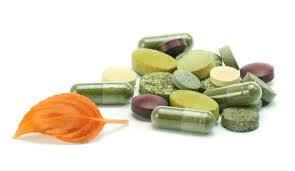
Food Supplements
Information About Dietary Supplements
Dietary supplements are products used to support the daily diet and help eliminate deficiencies of essential vitamins, minerals, and other beneficial substances that the body needs. These supplements can come in the form of capsules, tablets, powders, or liquids.
They mainly include:
• Vitamins (A, C, D, E, B group, etc.)
• Minerals (iron, zinc, magnesium, calcium, etc.)
• Herbal extracts
• Amino acids
• Probiotics and antioxidants
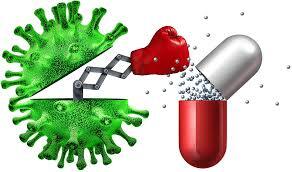
Antimikrobial Drugs
Antimicrobial Drugs
Antimicrobial drugs are medications designed to stop the growth of or destroy bacteria, viruses, fungi, and other microorganisms. They play a crucial role in the treatment and prevention of various infectious diseases.
Based on their antimicrobial spectrum, these drugs are divided into several groups:
• Antibacterial – act against bacteria.
• Antiviral – prevent viral infections.
• Antifungal – fight fungal diseases.
• Antiparasitic – effective against parasites.

Vitamins and Minerals
The Importance of Vitamins and Minerals
One of the key pillars of a healthy lifestyle is proper nutrition. The vitamins and minerals found in our diet play a vital role in the normal functioning of the body. Their deficiency can lead to various diseases, weak immunity, and general fatigue.
⸻
Vitamins
Vitamins are essential for energy production, strengthening the immune system, and supporting the healthy function of the nervous system and metabolism. For example:
• Vitamin A – important for vision and skin health.
• Vitamin C – strengthens immunity and acts as an antioxidant.
• Vitamin D – supports bone and dental health.
• B-group vitamins – essential for the nervous system and energy metabolism.
⸻
Minerals
Minerals regulate the body’s structure and functional processes:
• Calcium – fundamental for strong bones and teeth.
• Iron – essential for the blood’s oxygen-carrying capacity.
• Magnesium – supports the nervous system and muscle function.
• Zinc – strengthens the immune system and aids wound healing.
⸻
Balanced Nutrition
It is more beneficial to obtain vitamins and minerals not only from supplements but also from natural foods. Vegetables, fruits, dairy products, fish, meat, and legumes should be part of the daily diet.
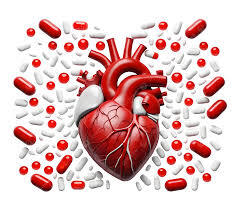
Drugs Affecting the Cardiovascular System
Drugs Affecting the Cardiovascular System ❤🩺
The cardiovascular system is the “engine” of the human body. Its healthy functioning is vital for blood circulation, oxygen supply, and maintaining the body’s energy balance. In modern medicine, various drugs are used for the treatment and prevention of cardiovascular diseases. These medications regulate blood pressure, heart function, and vascular elasticity, helping to prevent diseases and improve quality of life.
⸻
Main Groups of Medications
🔹 Antihypertensive drugs
High blood pressure is a major risk factor for cardiovascular diseases. These drugs dilate blood vessels, reduce the workload of the heart, and keep blood pressure within normal limits.
• ACE inhibitors (enalapril, lisinopril)
• ARBs (losartan, valsartan)
• Beta-blockers (metoprolol, atenolol)
🔹 Diuretics
Help eliminate excess salt and water from the body, reduce blood pressure, and prevent edema. Examples: hydrochlorothiazide, furosemide.
🔹 Anticoagulants and antiplatelet agents
Prevent blood clotting and reduce the risk of thrombosis. These drugs are widely used in the prevention of heart attacks and strokes.
• Aspirin (in low doses)
• Warfarin
• New-generation anticoagulants (apixaban, rivaroxaban)
🔹 Statins
Lower cholesterol levels and prevent narrowing of the arteries (atherosclerosis). Examples: atorvastatin, rosuvastatin.
🔹 Antianginal drugs
Used to relieve chest pain (angina) and improve blood circulation. Nitrates (nitroglycerin) are the most well-known representatives of this group.
⸻
Usage Rules and Precautions ⚠
• Dosage and treatment duration are determined individually.
• A healthy diet, regular physical activity, and avoiding bad habits enhance the effectiveness of treatment.
• Abrupt discontinuation of these drugs can be dangerous – any changes should be made only under medical supervision.
⸻
Tips for a Healthy Heart ❤🌿
• Monitor your blood pressure and heart rate regularly.
• Reduce salt intake and eat a diet rich in fruits and vegetables.
• Stay active – light exercise strengthens heart health.
• Avoid smoking and excessive alcohol consumption.
• Do not neglect regular medical check-ups.
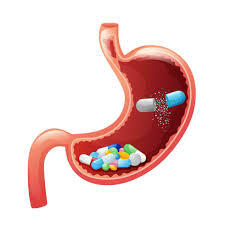
Drugs affecting the Gastrointestinal System
Drugs Affecting the Gastrointestinal System 🩺🌿
The gastrointestinal (GI) system is the body’s main “processing center” – the breakdown of food, absorption of nutrients, and elimination of waste all depend on its healthy functioning. Gastrointestinal disorders caused by various factors can significantly reduce quality of life. In modern medicine, different types of medications are used for the treatment and prevention of these problems.
⸻
Main Groups of Medications
🔹 Antacids
Reduce stomach acidity and relieve heartburn, indigestion, and stomach pain. Common examples: Maalox, Rennie, Almagel.
🔹 Proton Pump Inhibitors (PPIs)
Reduce the secretion of stomach acid and are effective in treating gastritis, ulcers, and reflux disease. Examples: omeprazole, pantoprazole, esomeprazole.
🔹 H₂-Receptor Antagonists
Help reduce acidity and are used as an alternative to PPIs. Examples: ranitidine, famotidine.
🔹 Antiemetics
Used to relieve nausea and vomiting. Examples: metoclopramide, ondansetron.
🔹 Laxatives (anti-constipation drugs)
Increase intestinal motility and prevent constipation. Examples: lactulose, bisacodyl, senna.
🔹 Antidiarrheal drugs
Used to stop diarrhea and normalize bowel movement. Example: loperamide.
🔹 Spasmolytics
Relieve intestinal spasms and ease abdominal pain. Example: drotaverine (No-spa).
⸻
Usage Rules and Precautions ⚠
• It is not correct to take drugs without identifying the underlying cause of symptoms. For example, persistent constipation or diarrhea may indicate a serious disease.
• It is important to follow dosage and duration of treatment – otherwise, additional complications may occur.
• Alongside medications, proper nutrition, stress reduction, and adequate water intake improve treatment effectiveness.
⸻
Tips for a Healthy Gastrointestinal System 🌸
• Prefer fresh fruits and vegetables, fiber-rich foods, and probiotics (such as yogurt and kefir) in your daily diet.
• Avoid fast food, carbonated drinks, and fatty meals.
• Eat smaller portions but more frequently.
• Try to minimize stress – it has a strong effect on the digestive system.
• Drink enough water (on average 1.5–2 liters per day).
Drugs Affecting the Hormonal System
Drugs Affecting the Hormonal System 🧬⚖
The hormonal system is the body’s “regulatory network.” Hormones secreted into the bloodstream control growth, metabolism, reproductive functions, and overall energy balance. A disruption in hormonal balance can lead to various diseases – from diabetes to thyroid disorders. In such cases, drugs affecting the hormonal system are used in treatment.
⸻
Main Groups of Medications
🔹 Hormone Replacement Drugs
Used when there is a deficiency of certain hormones in the body.
• Insulin – normalizes blood glucose levels in the treatment of diabetes.
• Thyroid hormones (levothyroxine) – restore metabolism in hypothyroidism.
• Corticosteroids (prednisolone, hydrocortisone) – used in inflammatory conditions and adrenal insufficiency.
🔹 Drugs Reducing Hormonal Activity
Regulate the overproduction of hormones in the body.
• Antithyroid drugs (thiamazole, propylthiouracil) – reduce thyroid activity in hyperthyroidism.
• GnRH analogs – regulate hormonal balance and are used in the treatment of some reproductive disorders.
🔹 Drugs Affecting Sex Hormones
Intended for reproductive health and hormonal balance.
• Estrogen- and progesterone-based drugs – used as hormonal contraceptives and during menopause.
• Androgens and antiandrogens – used in cases of male hormone deficiency or imbalance.
🔹 Hormonal Drugs Against Osteoporosis
Used to prevent the weakening of bone tissue.
• Calcitonin and parathyroid hormone analogs regulate bone metabolism.
⸻
Usage Rules and Precautions ⚠
• Self-medication can further disrupt hormonal balance.
• Dosage and duration are determined individually.
• Long-term use requires medical supervision and laboratory tests.
⸻
Tips for a Healthy Hormonal System 🌿
• Prefer a balanced and natural diet.
• Minimize stress, as it negatively affects hormonal balance.
• Make physical activity a regular part of your life.
• Adequate sleep is essential for hormonal stability.
• Regular medical check-ups improve the chances of early diagnosis.
Drugs Affecting the Immune System
Drugs Affecting the Immune System 🛡🌿
The immune system is the body’s main “defense fortress.” It protects us from viruses, bacteria, and other harmful agents. A weakened immune system increases vulnerability to diseases, while a strong and balanced immune system is one of the most important factors in maintaining good health. In medicine, there are various drugs that affect the immune system, each working through different mechanisms.
⸻
Main Groups of Medications
🔹 Immunostimulants
Strengthen the immune system and enhance the body’s defense capacity.
• Herbal preparations (echinacea, ginseng)
• Vitamins and minerals (vitamin C, zinc, vitamin D)
• Synthetic immunostimulants (isoprinosine, etc.)
🔹 Immunosuppressants
In some cases, the immune system becomes overactive and harms the body (e.g., in autoimmune diseases). In such situations, drugs that suppress immunity are used.
• Corticosteroids (prednisolone, dexamethasone)
• Immunosuppressive cytostatics (azathioprine, methotrexate)
• Biological agents (monoclonal antibodies)
🔹 Immunomodulators
Do not overstimulate or completely suppress the immune system – instead, they help maintain balance.
• Interferons (widely used in viral infections)
• Natural products (propolis, bee products)
⸻
Usage Rules and Precautions ⚠
• Immunosuppressants used for autoimmune diseases or organ transplantation must always be taken under medical supervision.
• It is always more beneficial to obtain vitamins and minerals from natural foods.
• Dosage and duration of treatment should be determined on an individual basis.
⸻
Natural Ways to Strengthen Immunity 🌸
• Follow a balanced diet rich in vegetables, fruits, and proteins.
• Regular physical activity helps strengthen the immune system.
• Adequate sleep and rest boost the body’s defenses.
• Reduce stress – psychological well-being is vital for immunity.
• Maintain proper hygiene – one of the simplest ways to prevent infections.
Drugs Affecting the Respiratory System
Drugs Affecting the Respiratory System 🌬🫁
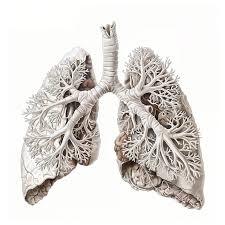
The respiratory system supplies the body with oxygen and is essential for sustaining life. During conditions such as colds, allergies, asthma, and other illnesses, respiratory function may weaken. In modern medicine, various drugs are used to open the airways, reduce inflammation, and relieve coughing.
⸻
Main Groups of Medications
🔹 Expectorants and Mucolytics
Used to thin mucus and make its removal easier.
• Ambroxol, acetylcysteine, bromhexine
🔹 Antitussives (Cough Suppressants)
Used to reduce dry and irritating cough.
• Codeine-containing medicines
• Dextromethorphan
🔹 Bronchodilators
Relieve shortness of breath by eliminating bronchial constriction. Mainly used in the treatment of asthma and COPD (chronic obstructive pulmonary disease).
• Beta-2 agonists (salbutamol, formoterol)
• Anticholinergics (ipratropium, tiotropium)
🔹 Corticosteroids (inhaled or systemic)
Reduce airway inflammation and prevent allergic reactions.
• Budesonide, fluticasone, prednisolone
🔹 Antihistamines
Used in allergic rhinitis and bronchial asthma.
• Loratadine, cetirizine, fexofenadine
🔹 Antibiotics
Prescribed by a doctor in bacterial respiratory infections (bronchitis, pneumonia).
• Amoxicillin, azithromycin, levofloxacin
⸻
Usage Rules and Precautions ⚠
• Combining cough suppressants with expectorants may sometimes be ineffective, so medical advice is important.
• Self-medication with antibiotics is dangerous and can lead to antibiotic resistance.
• Proper technique must be followed when using inhalation drugs.
⸻
Tips for a Healthy Respiratory System 🌱
• Avoid smoking – it is the biggest enemy of the respiratory system.
• Spend time outdoors and stay physically active.
• Humidify indoor air – dry air irritates the airways.
• Strengthen immunity with proper nutrition during seasonal colds.
• Try to avoid allergy triggers.
Drugs Against Allergies
Drugs Against Allergies 🌸🤧
Allergy is the body’s exaggerated reaction to certain substances (dust, pollen, food, drugs, animal hair, etc.). It can manifest with symptoms such as runny nose, sneezing, itching, rashes, shortness of breath, and watery eyes. In modern medicine, various drugs are used to relieve allergy symptoms and keep immune reactions under control.
⸻
Main Groups of Medications
🔹 Antihistamines
The main cause of allergy symptoms is the action of a substance called histamine. Antihistamines block histamine receptors, reducing itching, runny nose, and rashes.
• 1st generation – diphenhydramine, clemastine (may cause drowsiness).
• 2nd generation – loratadine, cetirizine, fexofenadine (fewer side effects, suitable for daily use).
🔹 Corticosteroids
Have strong anti-inflammatory effects. Mainly used in the form of nasal sprays or inhalation.
• Budesonide, fluticasone, mometasone
🔹 Decongestants
Relieve nasal congestion and make breathing easier. However, they should not be used for a long time.
• Oxymetazoline, pseudoephedrine
🔹 Leukotriene Receptor Antagonists
Used as an additional treatment in asthma and allergic rhinitis.
• Montelukast
🔹 Immunotherapy (Allergen Vaccine)
A long-term method aimed at eliminating the cause of allergy. Small doses of allergens are introduced into the body, and over time, the immune system becomes accustomed.
⸻
Usage Rules and Precautions ⚠
• Long-term and uncontrolled use may cause complications.
• Using decongestant nasal drops for more than 5–7 days may damage the nasal mucosa.
• Corticosteroids should only be used when necessary and under medical supervision.
⸻
Simple Tips to Prevent Allergies 🌿
• Keep windows closed and clean with a damp cloth frequently if you are allergic to dust or pollen.
• Avoid direct contact with pets if you are allergic to animal hair.
• In case of food allergies, always read product labels carefully.
• Get allergy tests and identify risk factors under your doctor’s advice.